
Scroll Saw Wood Species Guide
Unique Wood Species to use in Scroll Saw Projects
By far, the most common scroll saw questions I’m asked are, “What type of wood did you use and where can I buy it?” So, let’s talk about the most common wood species I use, my thoughts on each one, and where to buy them.
I earn a small commission from affiliate links.
Janka Hardness
From time to time, I may reference a wood species’ hardness. This is measured using the Janka Hardness scale that gauges how well the wood can withstand wear and dents. To calculate the Janka rating, a 11.28mm steel ball is imbedded into the wood. The more pounds of force required, the higher the rating. Lignum vitae is probably the hardest wood in the world, with a Janka rating of 4,390. Basswood (410) is arguably the softest species.
Red & Purple Wood Species
I make a lot of comic book art. Red is one of the most common costume colors so I always try to have a few different species on-hand.
Redheart
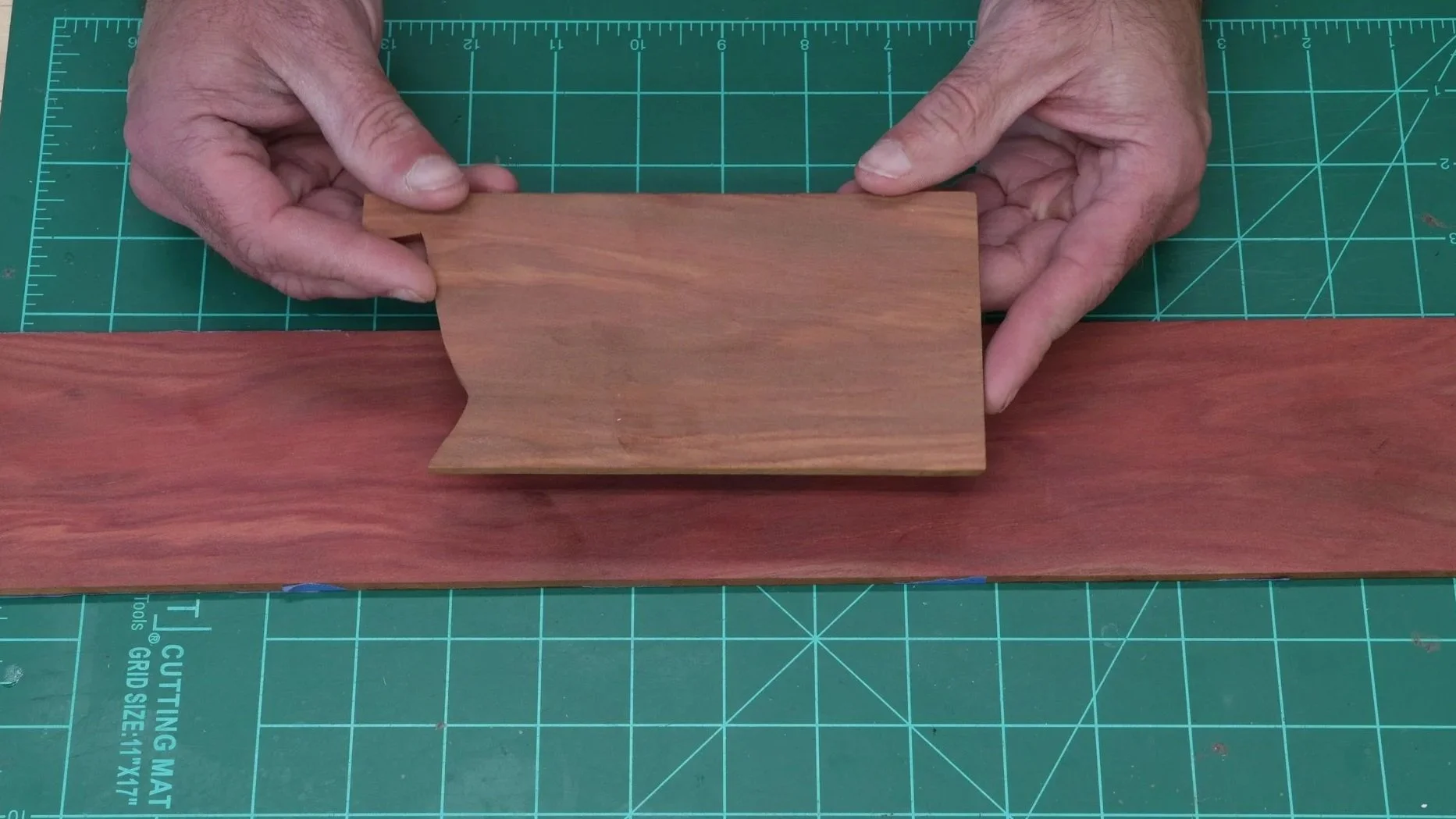
Redheart color fades over time
Redheart is a naturally red species that can provide vivid color to your project. I like the dark undertones of the grain, which can give the illusion of shadow or folds in clothes. Redheart is fairly dense, about on par with hard maple. It’s a siren of a wood species. While it looks beautiful, it can quickly turn into a honey-brown color if you do not use a finish with UV inhibitors. I consider it a moderately expensive wood that you can easily pick up from several places. I usually get it from my local Woodcraft or Rockler, or order it online here.
Bloodwood
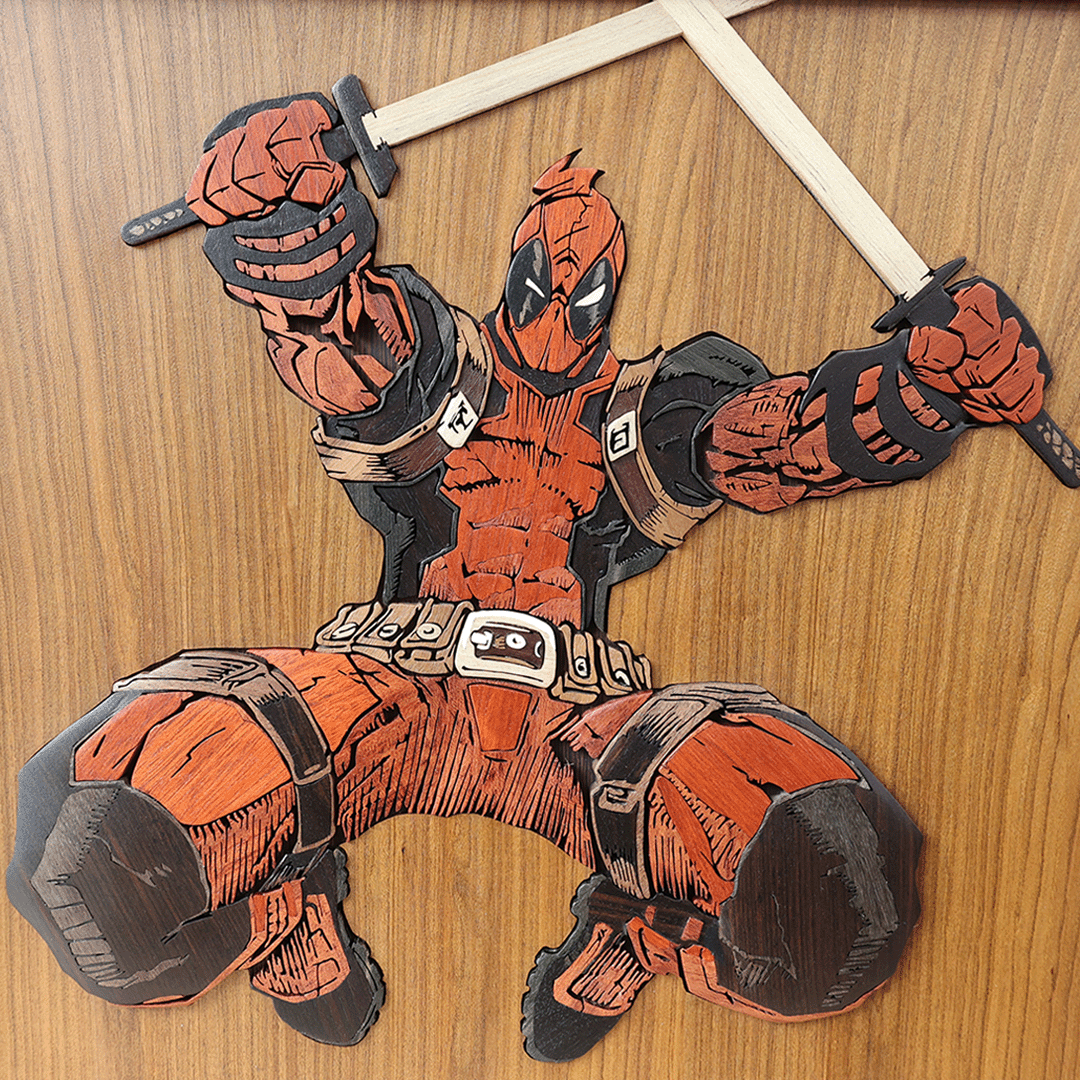
Deadpool using Bloodwood
Due to the UV issues that can come with redheart, I prefer to use bloodwood when I need a typical shade of red. It’s a little darker than redheart, but the color holds up much better. Bloodwood is incredibly dense, over twice as hard as white oak. It is also really oily. These qualities mean you will probably need to use a blade with fairly large gaps between the teeth. It will quickly gum up a fine tooth blade. Don’t let that deter you. Bloodwood is a fantastic wood species to incorporate in your project. My Woodcraft sometimes has it in stock. Otherwise, you can buy it Bell Forest Products, Cooks Woods, or on Amazon.
Bubinga
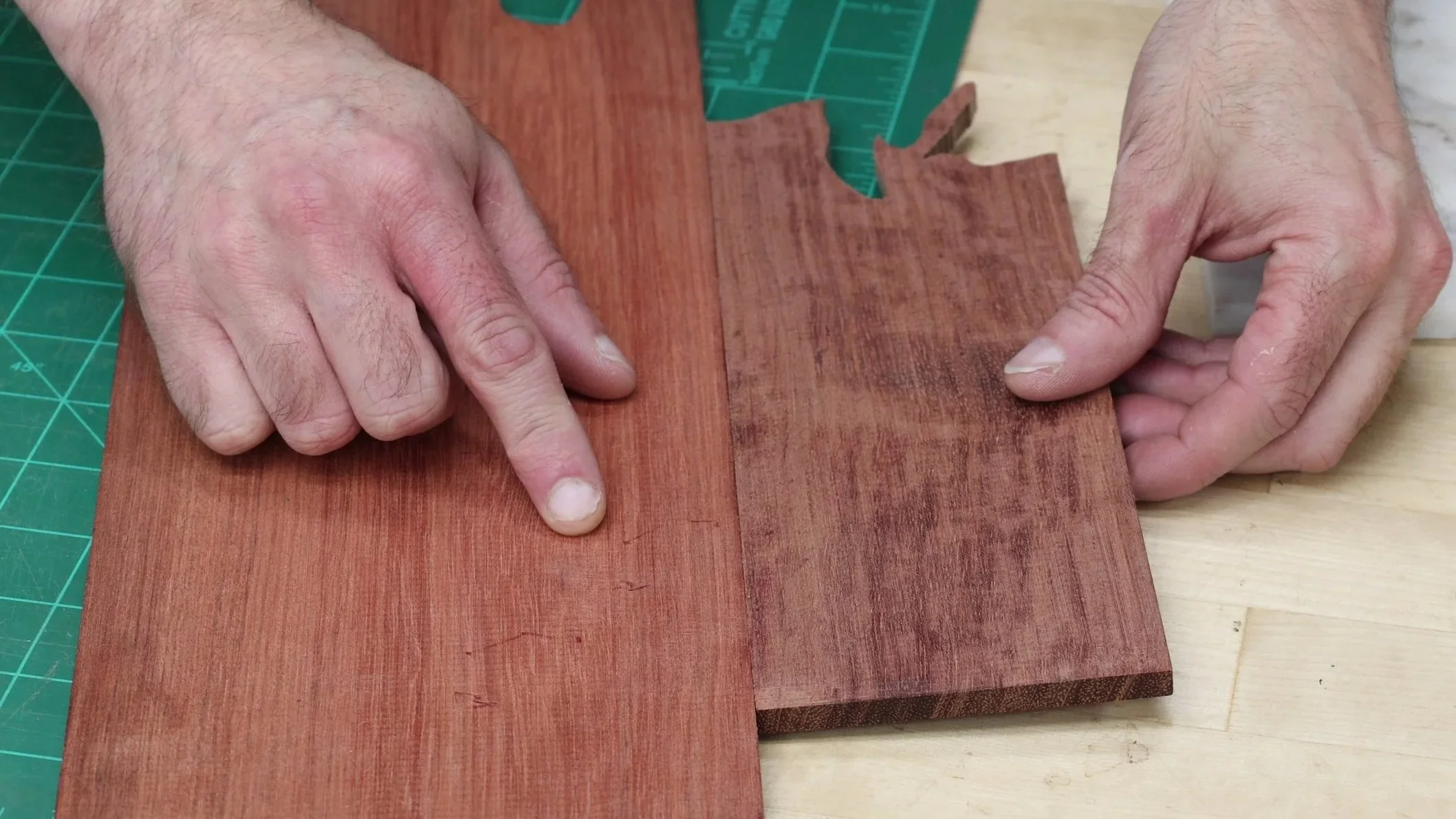
Bloodwood vs Bubinga lumber
I like using bubinga for several reasons. The trees grow large so it's easy to find wide boards. It has a nice dark red/purple color, making it great for adding dimension and shadows to a project. You should be able to find it at your local lumber yard. Otherwise, check out Amazon.
Purpleheart
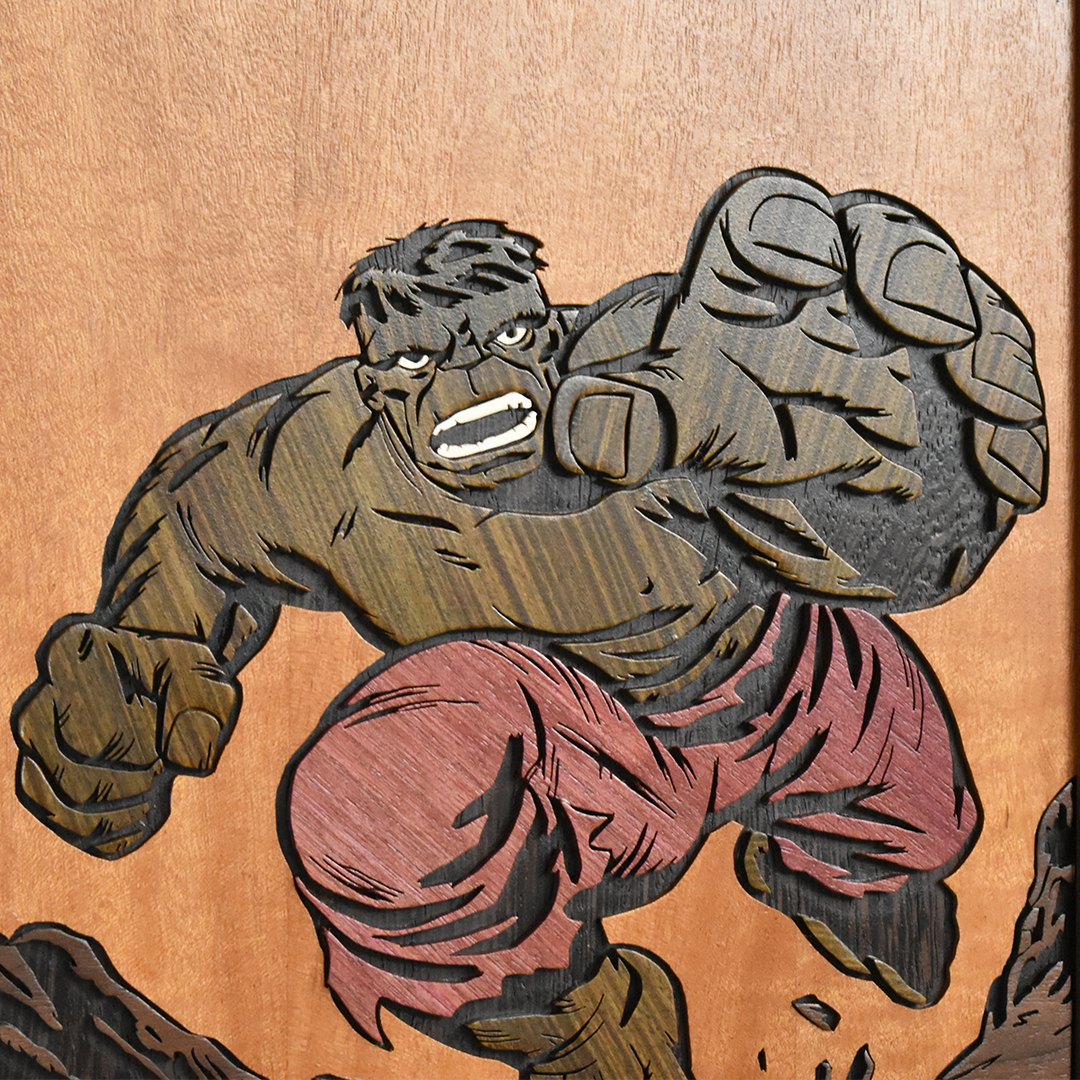
Hulk using Purple Heart
Purpleheart may be one of the most commonly known exotic species. It seems like woodworkers learn about the classic domestics like oak and cherry, and then are stunned to find out there’s a naturally purple wood. I don’t use a lot of purple; however, it is a staple of some iconic comic characters like Joker and the Hulk. It’s a hard species (2,520 lb), but I don’t find it to be too oily. There’s a sweet spot when it comes to color. Purpleheart is commonly a mild, pale color when you first cut it. It will usually turn into a beautiful purple in a day or two. After a long period of UV exposure, purpleheart will take on more shades of brown. I have scroll saw art that still has a rich purple color after multiple years of hanging on the wall. You can buy purpleheart just about anywhere. You should be able to find it at your local lumber yard and just about every large online retailer.
Green Wood Species
When I use the term “green,” I'm referring to the color. Not to be confused for wet/freshly cut lumber. It's an important distinction when shopping.
Lignum Vitae
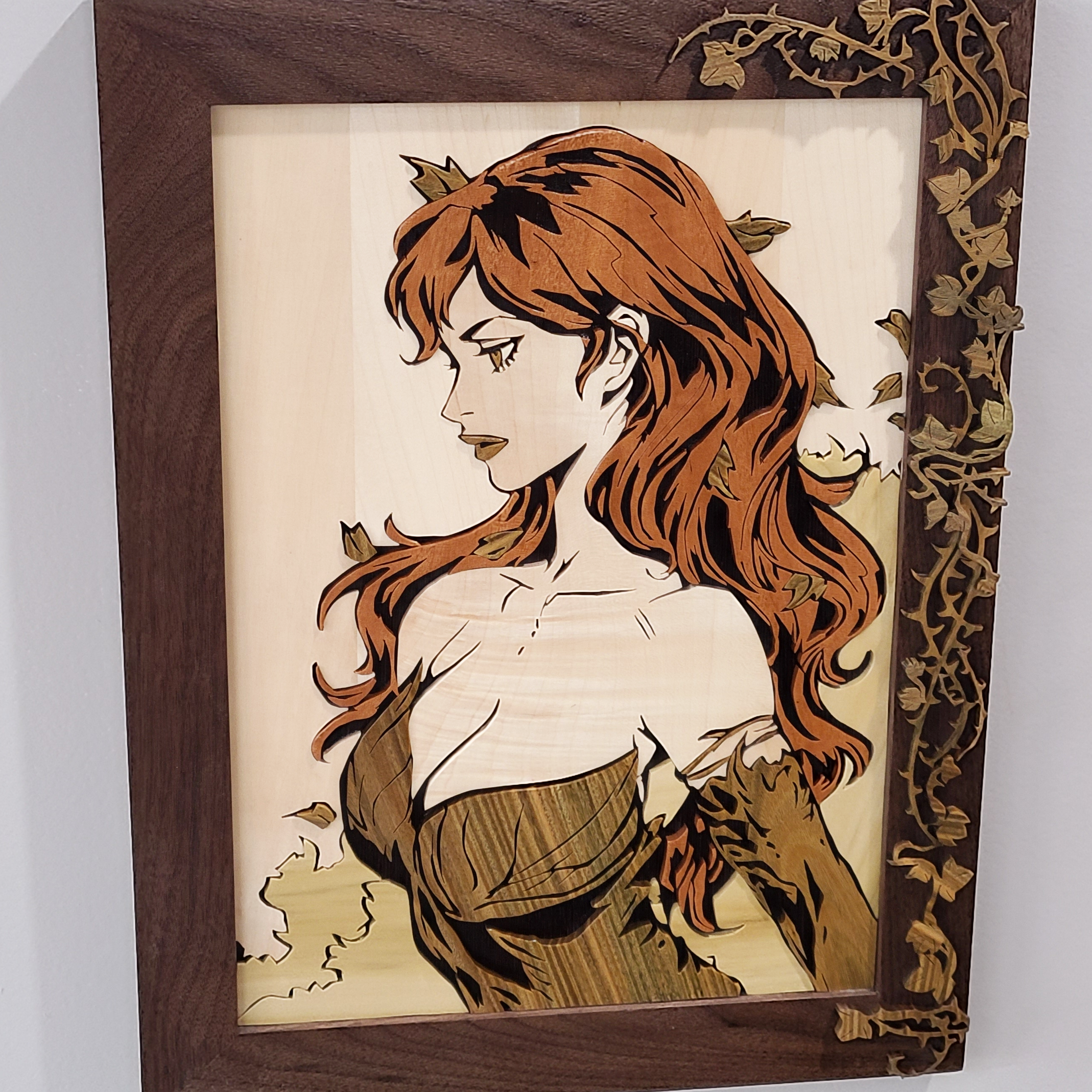
Poison Ivy using Lignum Vitae
I think lignum vitae is one of the most beautiful species in the world. It has incredible, natural green tones that darken with UV exposure. A freshly milled board may look pale green or yellow. Set the board by a window and it'll become a rich, dark green color. Lignum vitae is arguably the hardest wood in the world. It's pretty oily too. I think it cuts well, but expect to change blades often as they dull or the teeth get gum up. It's worth it though!
Genuine vs Argentine Lignum Vitae
Genuine lignum vitae is hard to find due over-forestation. When you see it for sale, it's usually Argentine lignum vitae, a substitute species. The stuff from Argentina is not as hard (3,870 vs 4,390), but it's still one of the hardest species you'll ever use. I've never noticed a difference when working with the two species. When I reference it regarding my projects, I'm almost always referring to the Argentine variety.
Lignum vitae isn't cheap and is often sold in small sized pieces. I recommend keeping an eye out for turning blanks and thin lumber. Sometimes, I can find it at Woodcraft. Otherwise, I need to order it online.
Verawood
Verawood is an alternative wood species from Venezuela. While it seems like lignum vitae, it's not a related species. I've never used it on my projects, but I'm sure I'll try it in the future.
Alternatives that Look Green
There are some other species that may appear green, depending on the board. The most common is poplar. Canary wood can also have a nice green tint. Don't be tempted into thinking they will stay green, especially poplar. These will quickly turn brown.
Blue Wood Species
I love blue wood. It is perfect for so many aspects of my projects.
Blue Mahoe
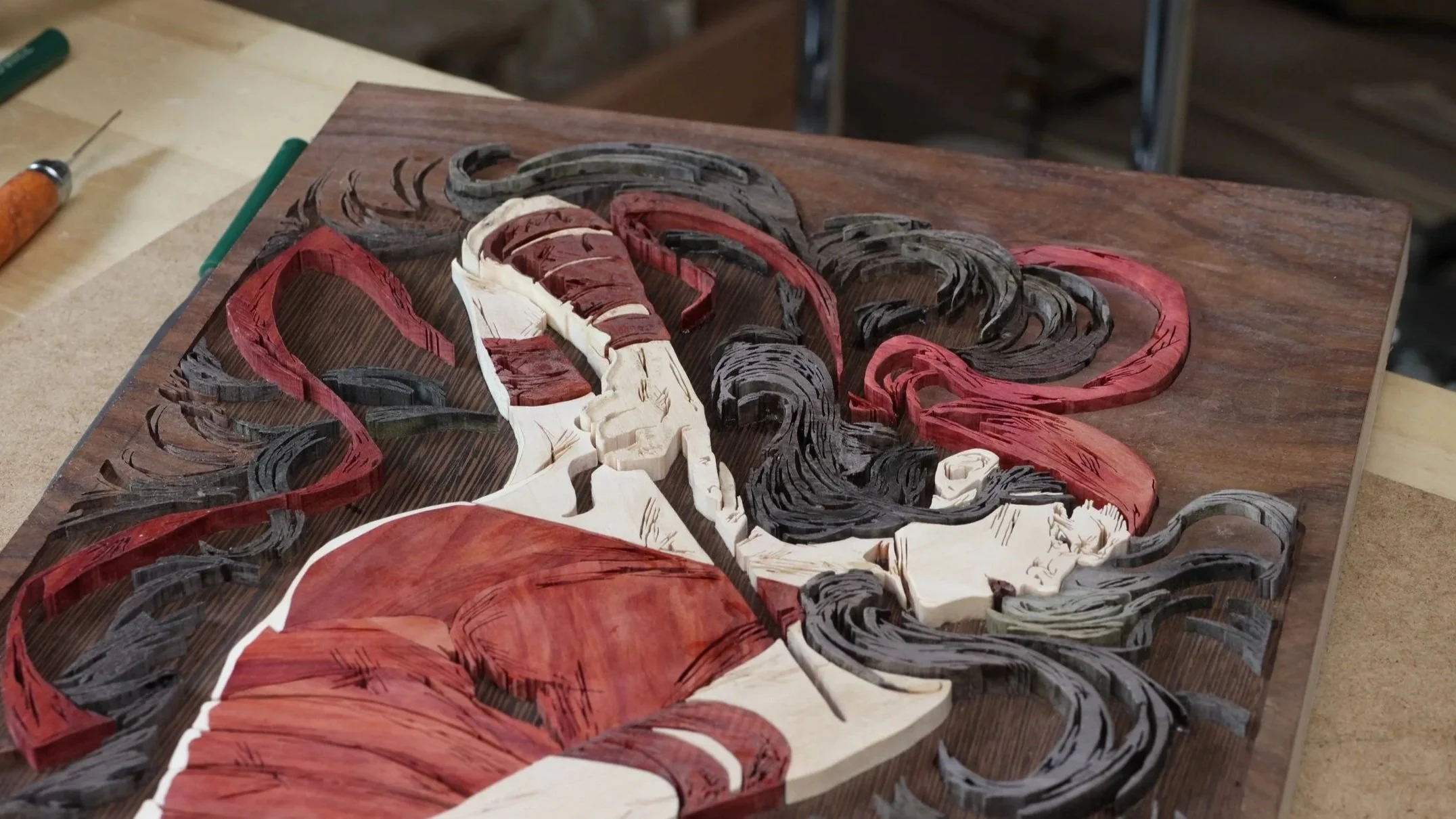
Different shades of Blue Mahoe
As crazy as it sounds, there is a tree with natural blue wood. It's called blue mahoe and happens to be one of my favorite species. Colors vary from board to board. Lumber can range from yellow to light green to dark blue. You can use the color variations to your advantage. It works great for showing texture in your subject's hair, or if you need to show highlights against black objects. I always check my local Woodcraft, but it’s getting harder to find. You are more likely to come across smaller pieces like pen blanks.
Pine Beetle Lumber
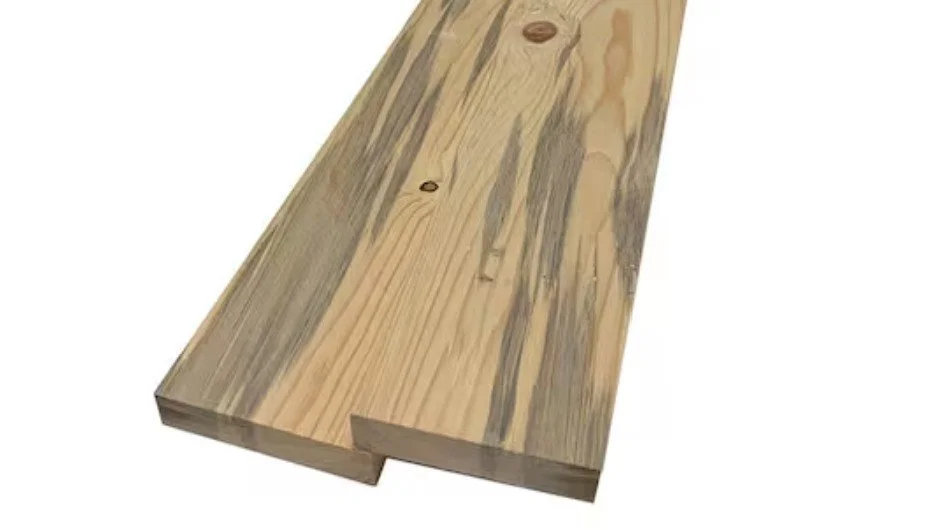
Pine Kill Beetle lumber
As an alternative, you can look into pine beetle lumber, also called beetle kill pine. When the beetle burrows into the pine tree, the immediate area can turn some pretty funky colors like blue, black, and green. I’ve been lucky enough to find some pieces at my local Home Depot. Otherwise, there are some online retailers that specialize in it.
Orange Wood Species
Osage Orange
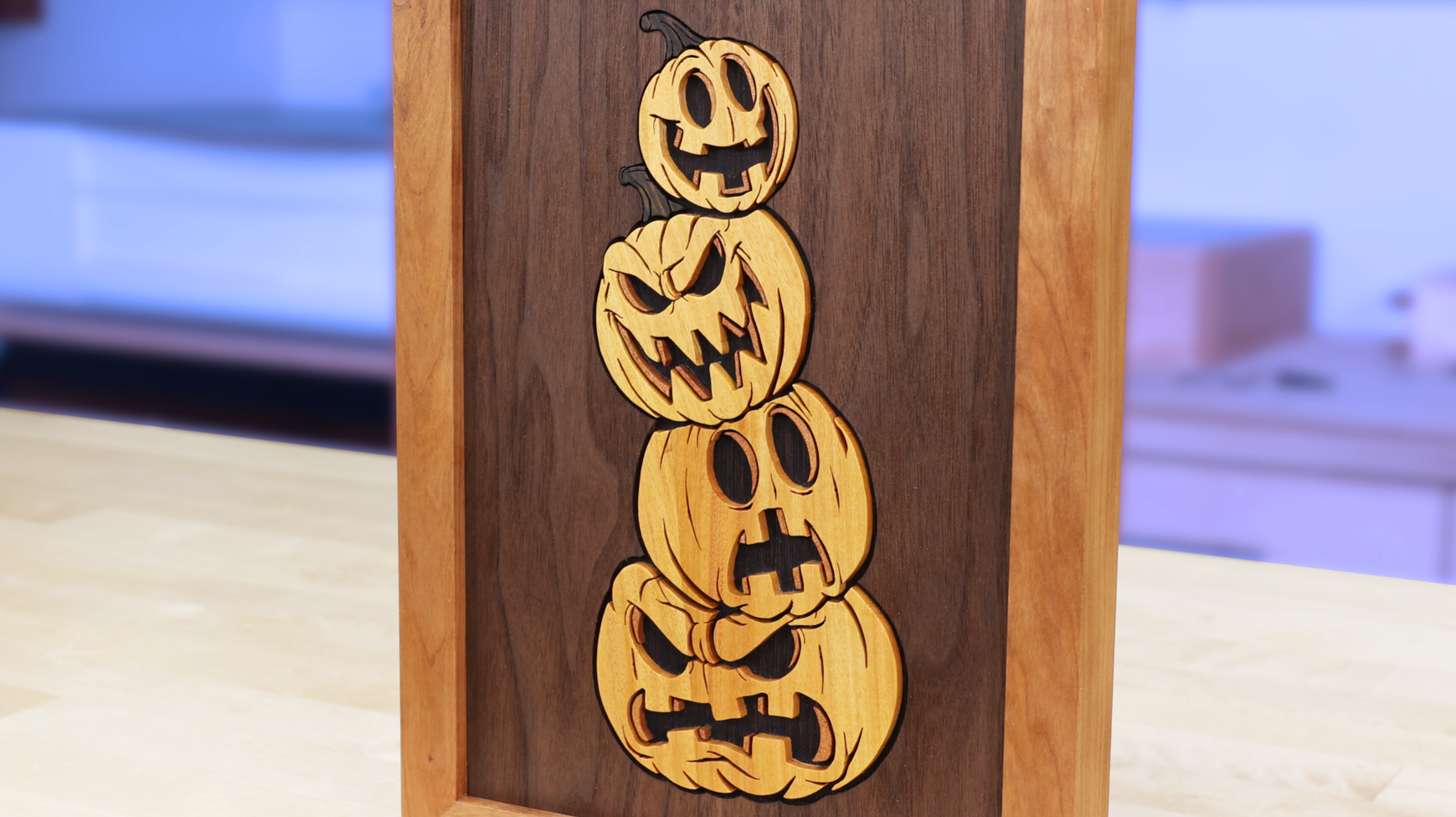
Osage Orange lumber
I have one go-to species if I want a traditional orange color – Osage Orange lumber. It may be surprising to know that it’s a really hard, domestic U.S. species. It has a Janka hardness of 2,620 lb. For comparison, this is much harder than hickory. It can quickly dull your scroll saw blades. I also find it to be fairly oily. If you really want to show off the color, try using tung or teak oil with it. Osage is pretty easy to find, and there’s an Argentine version as well. Rockler and Woodcraft often have it in stock. If you don’t have those nearby, check out Cook Woods and other online retailers
White Wood Species
Holly
I often use holly in my projects, especially when I want a good contrast from colorful wood species. Maple can sometimes work, but turns tan once you apply finish. Holly does the best job at staying a traditional white color. Holly often grows fairly small and shrubby, meaning you’re more likely to find narrow lumber. There’s a pretty heavy demand for holly so expect to pay a premium. If you don’t need large pieces, look for turning squares or pen blanks.
Black Wood Species
Gabon Ebony
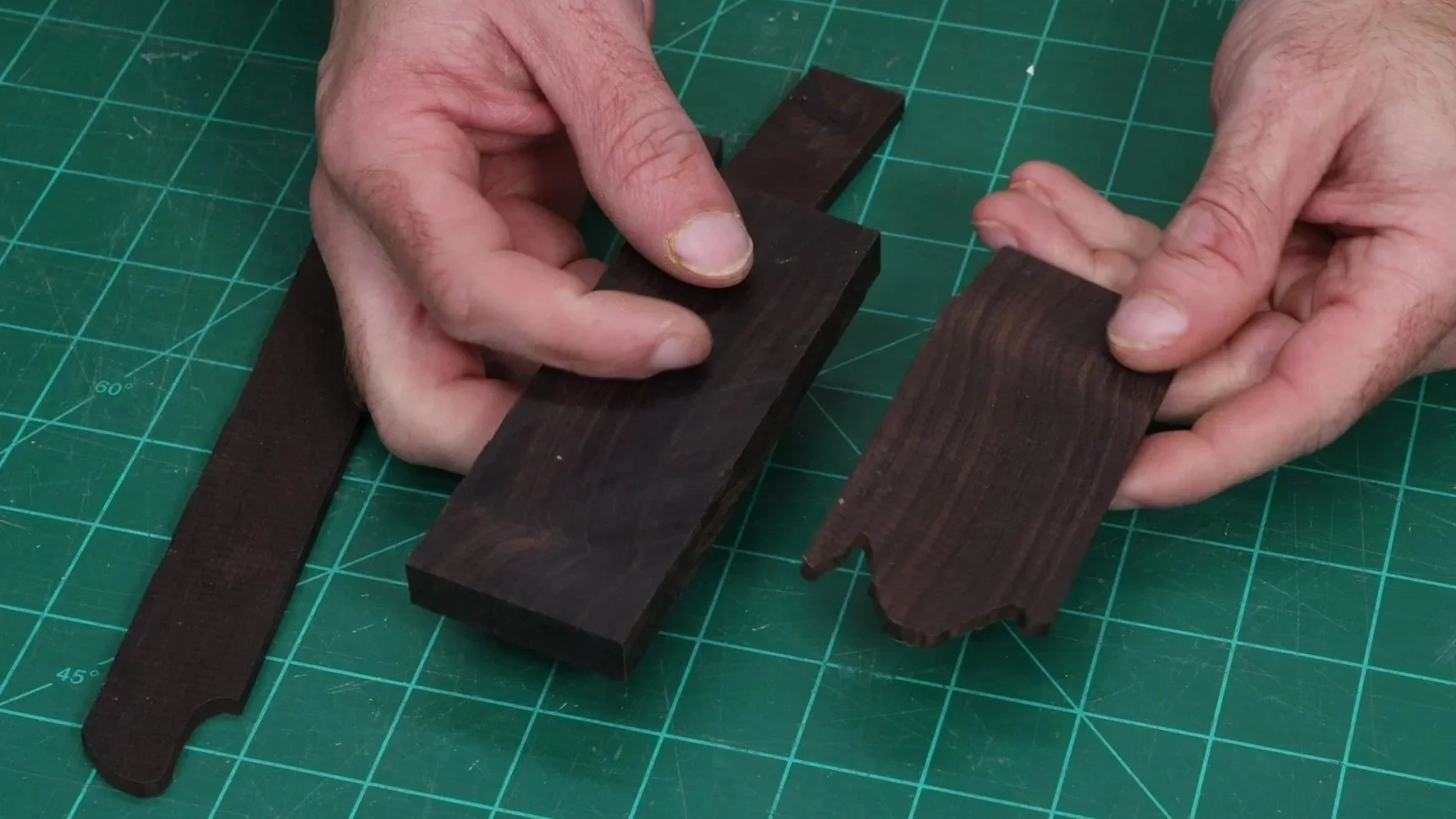
Various pieces of Ebony lumber
Ebony is absolutely beautiful. It’s also absolutely expensive! When I need a true black, I’ll reach for ebony. Not all boards are jet black. The sap wood can have tan streaks. Due to the rarity and cost, I try to save it for when it’s critical to the project. I buy small turning squares, rip it into two pieces, and then glue them together to get a wider board. Cook Woods has a good selection or you can buy it here.
Wenge
I use wenge with every project. I glue wenge veneer to MDF, giving me a dark background to my projects. I’ll often use wenge for black pieces, though, the color can vary depending on the board. It may have brown areas or streaks, or look completely black depending on the closeness of the grain in any given piece. Wenge is incredibly splintery. Be prepared to have tweezers on standby. Wenge trees grow large and its easy to find large, thick boards. Your local lumber yard will probably have the best price. I buy it at Woodcraft or Rockler. It’s more expensive, but I usually only pick up small or thin boards. You can also find it on Amazon.
Katalox
While it’s really more of a super dark chocolate brown, katalox is beautiful and can often stand in for black wood species. I like that katalox often has a consistent color so I don’t have to inspect the grain to find the best area. It’s a hard wood species; I recommend using a fresh saw blade. There are a few online retailers that keep it in supply. Check out Woodcraft, Cook Woods, and Bell Forest.
