Tricks For Cutting Metal with a Scroll Saw
I needed to create small mechanical gears from a sheet of brass. Even though the brass was very thin, only 1/32” thick, it was incredibly challenging to cut. It may sound weird, but it would have been easier to cut thicker material, but why is that the case? What tricks can we use to cut metal on a scroll saw?
** I earn from qualifying purchases of affiliate links.
Metal Cutting Scroll Saw Blades
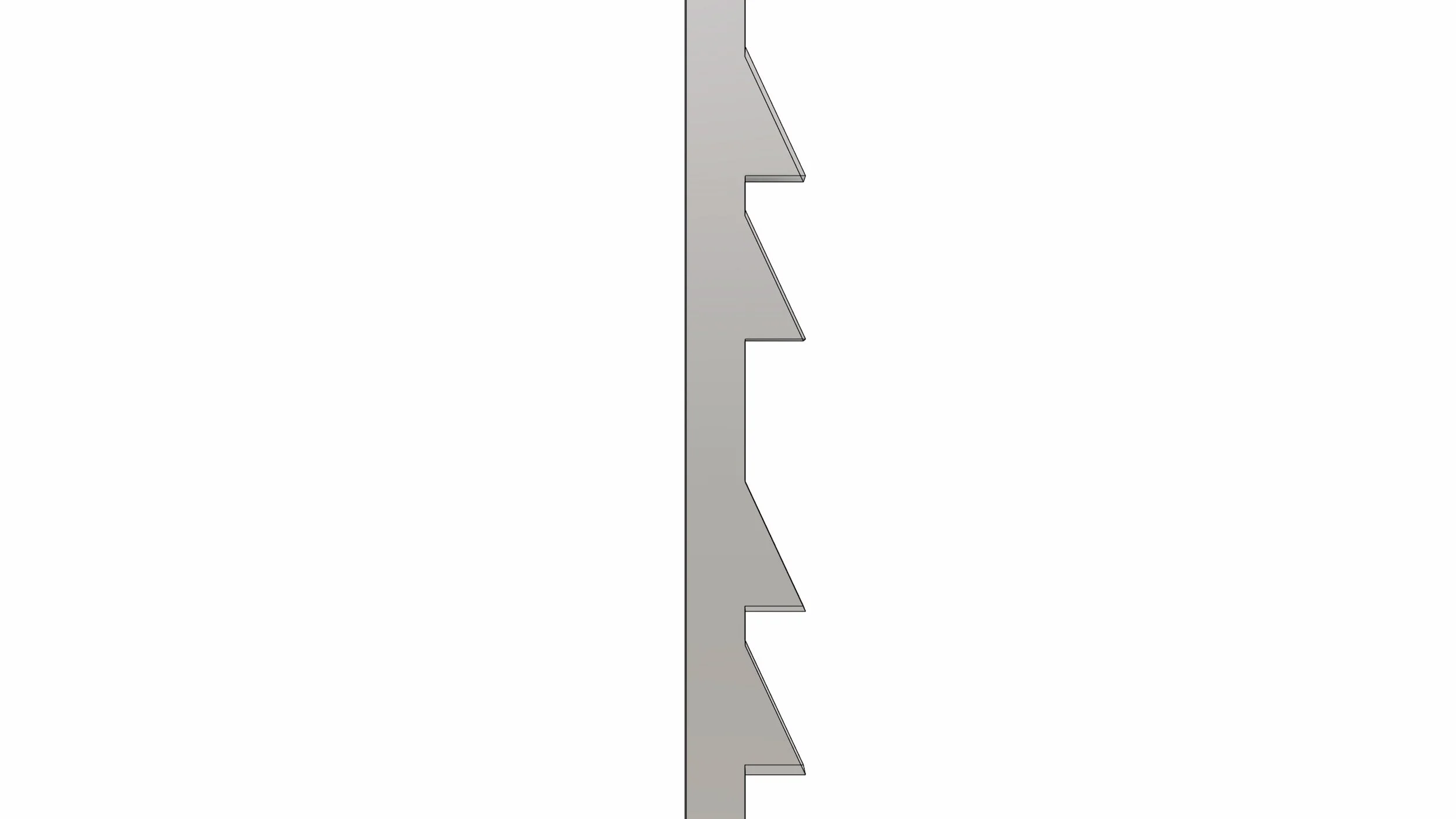
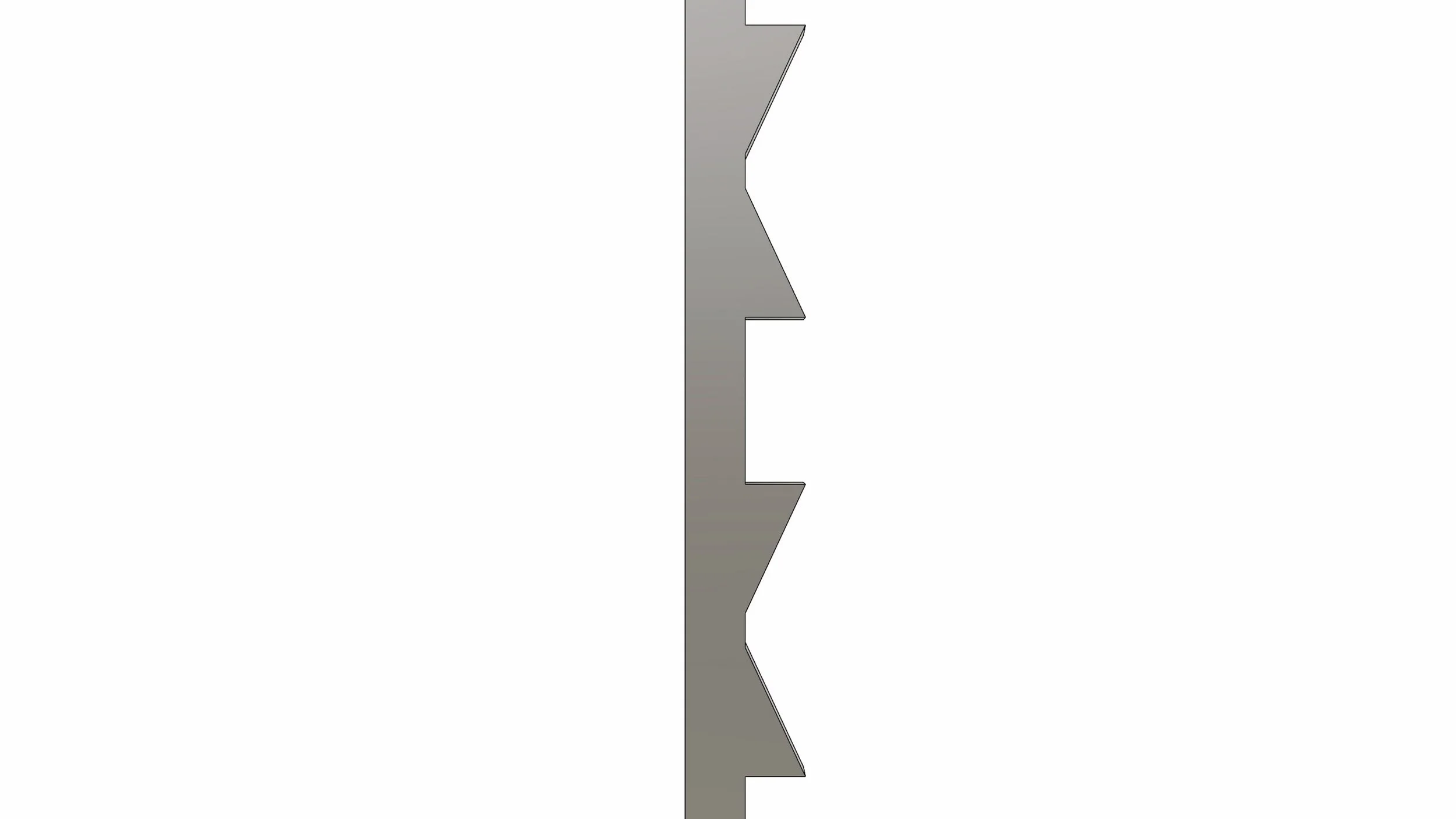
To cut metal, we want a small blade with a lot of teeth per inch (TPI). Shoot for using a #2 or #3 size blade, or smaller depending on the thickness of your material. The thinner the material, the smaller the blade. From my experience, double tooth blades work great, with crown tooth blades serving as a solid alternative. Some manufacturers sell jeweler’s scroll saw blades. Since I don’t cut metal that often, I haven’t tried these, but plan to invest in them in the future.
Why is Thin Metal Difficult to Cut?
Despite using a fresh blade, I find it difficult to cut thin pieces of metal. It tends to jump around, catch on the blade, and drift off my cut line. To figure out why, I recorded myself cutting a piece of brass at 120 frames per second. The slow-mo footage let me see what was happening during the cut.
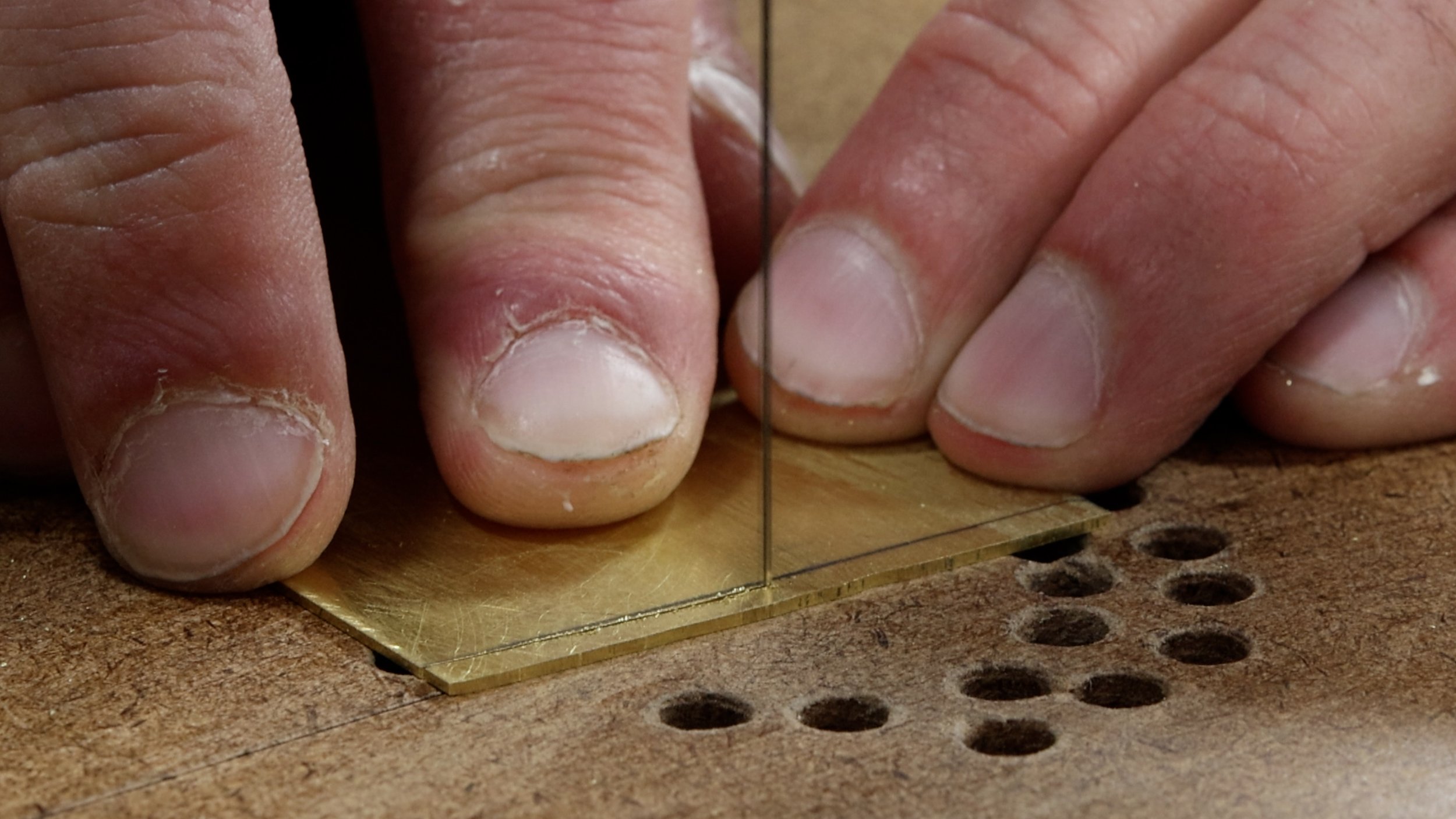
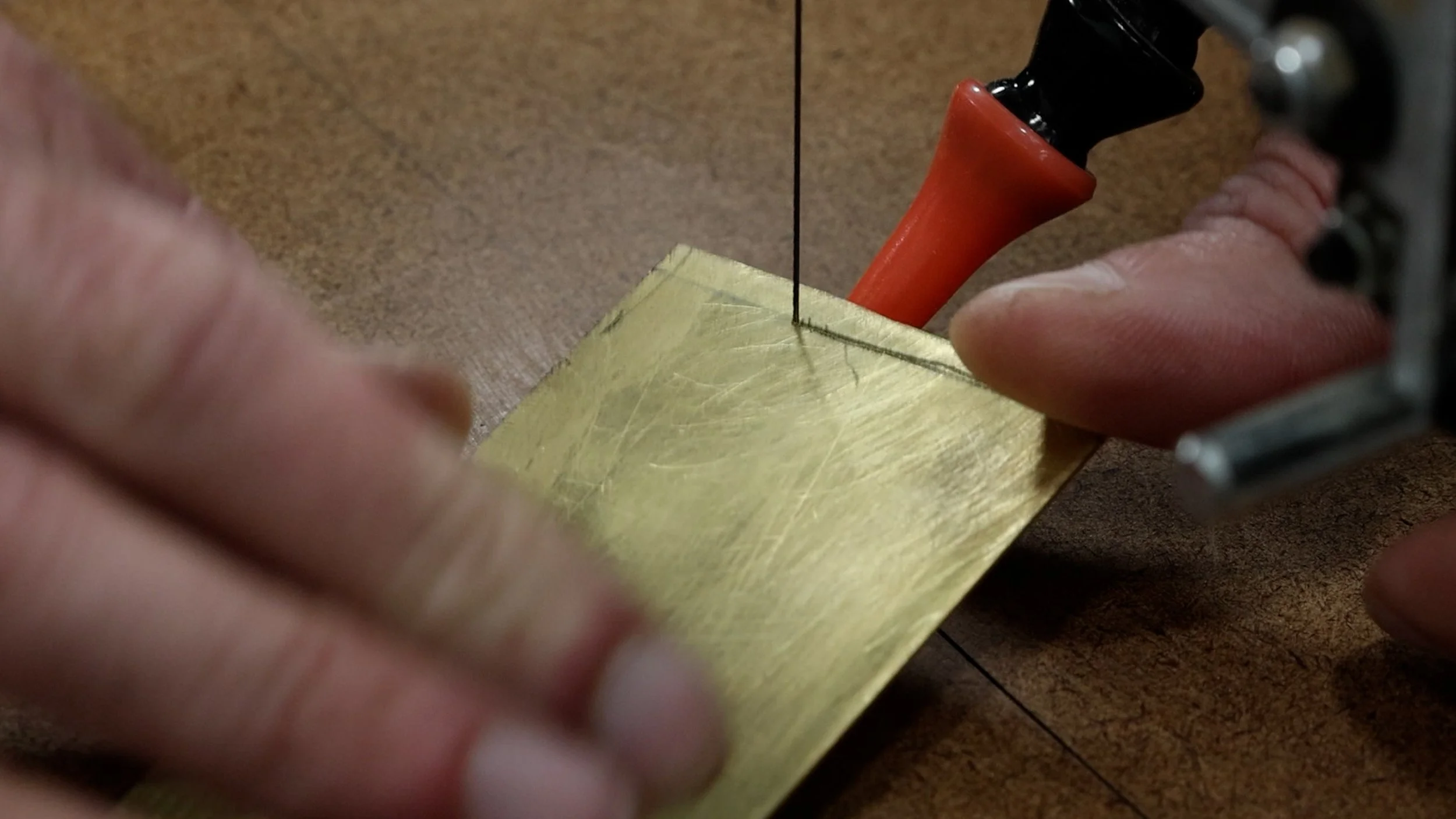
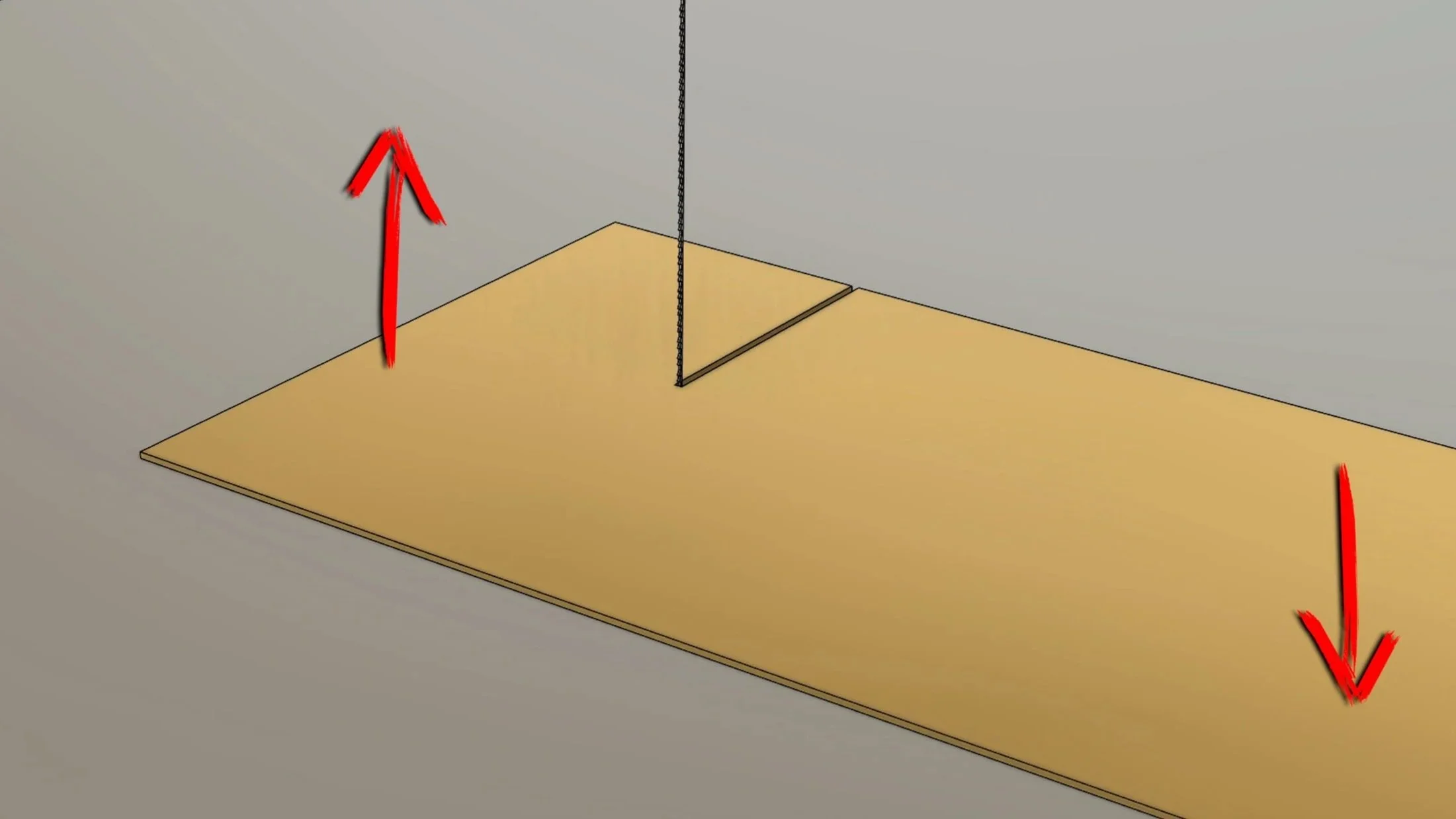
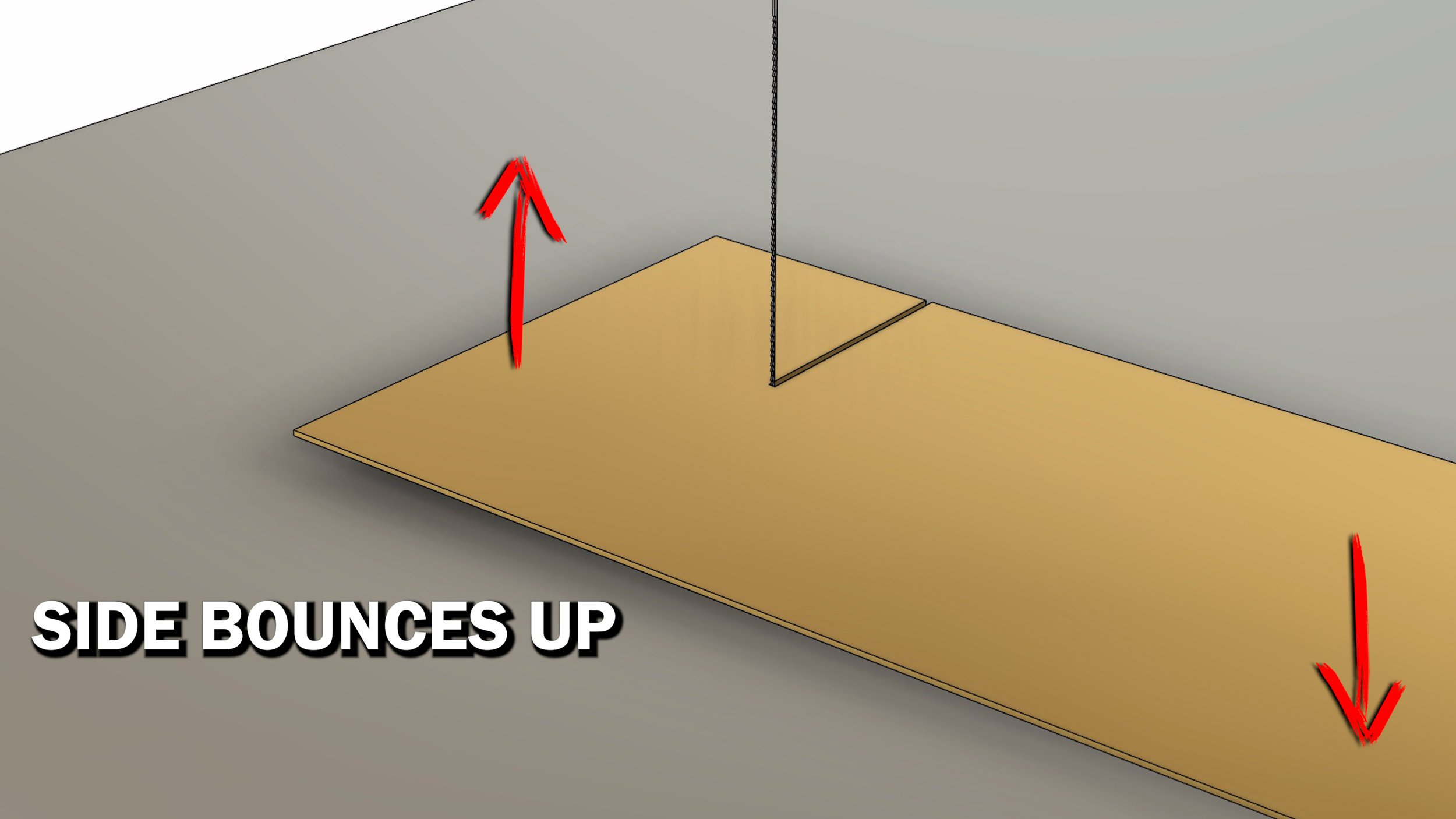
The workpiece bounces a lot. That’s actually common when cutting anything with a scroll saw. It’s not always noticeable because how often do we record ourselves? The problem lies with the direction of the bounce. The cut really isn’t affected if the metal sheet bounces up and down because the sides of the blade are not impacted.
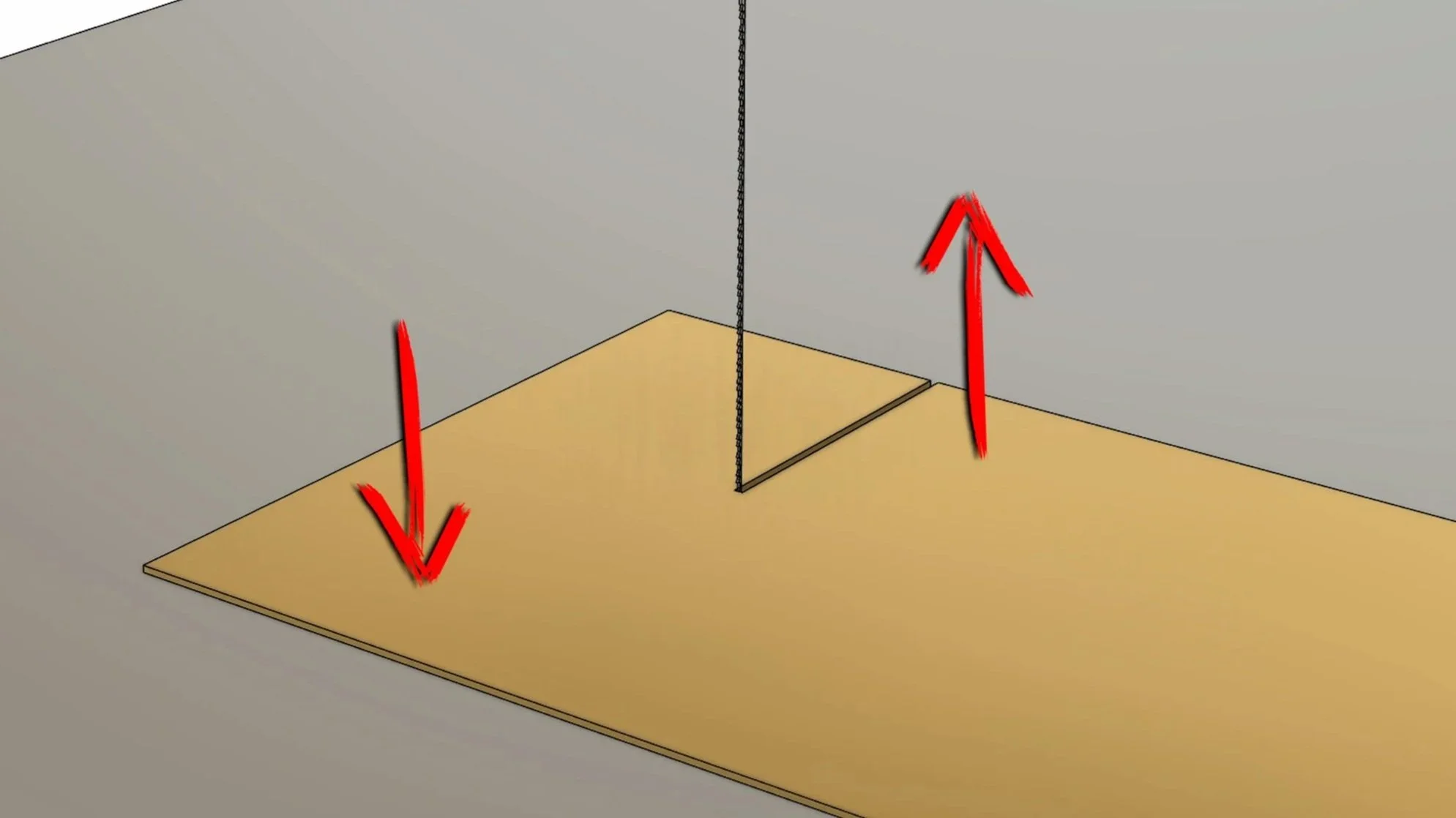
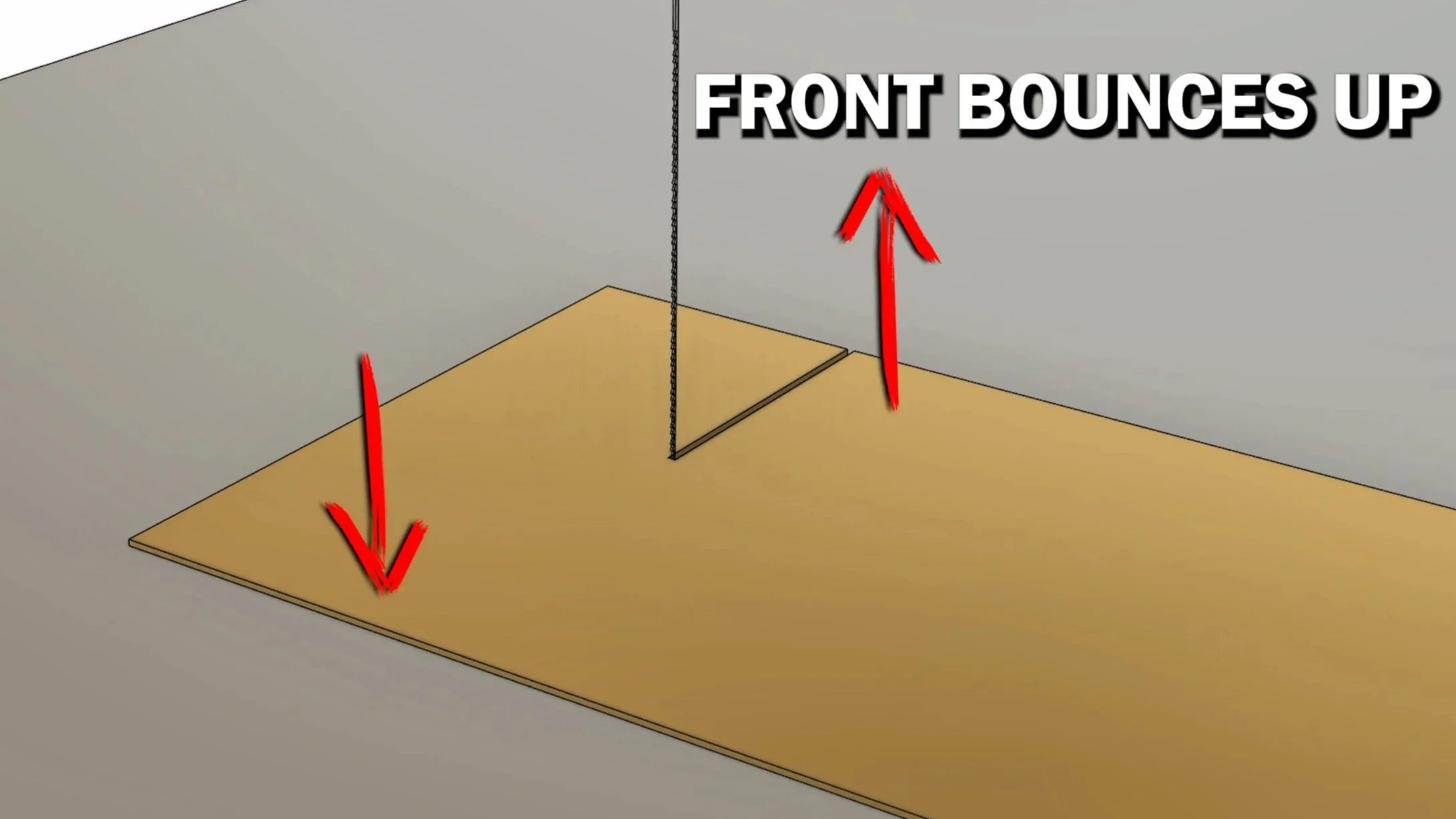
However, if the workpiece bounces side-to-side (one side rises higher than the other), it is no longer parallel to the scroll saw table. The blade teeth are pinched and snag on the workpiece. This causes the blade to bend and teeth to become misshapen. In turn, the blade doesn’t cut as straight. This causes the material to jump around more, which causes more damage to the blade.
Tricks to Cut Metal on the Scroll Saw
How do we overcome the challenges I explained above? I recommend the following tricks to cut metal with a scroll saw:
Use a small blade with a high TPI.
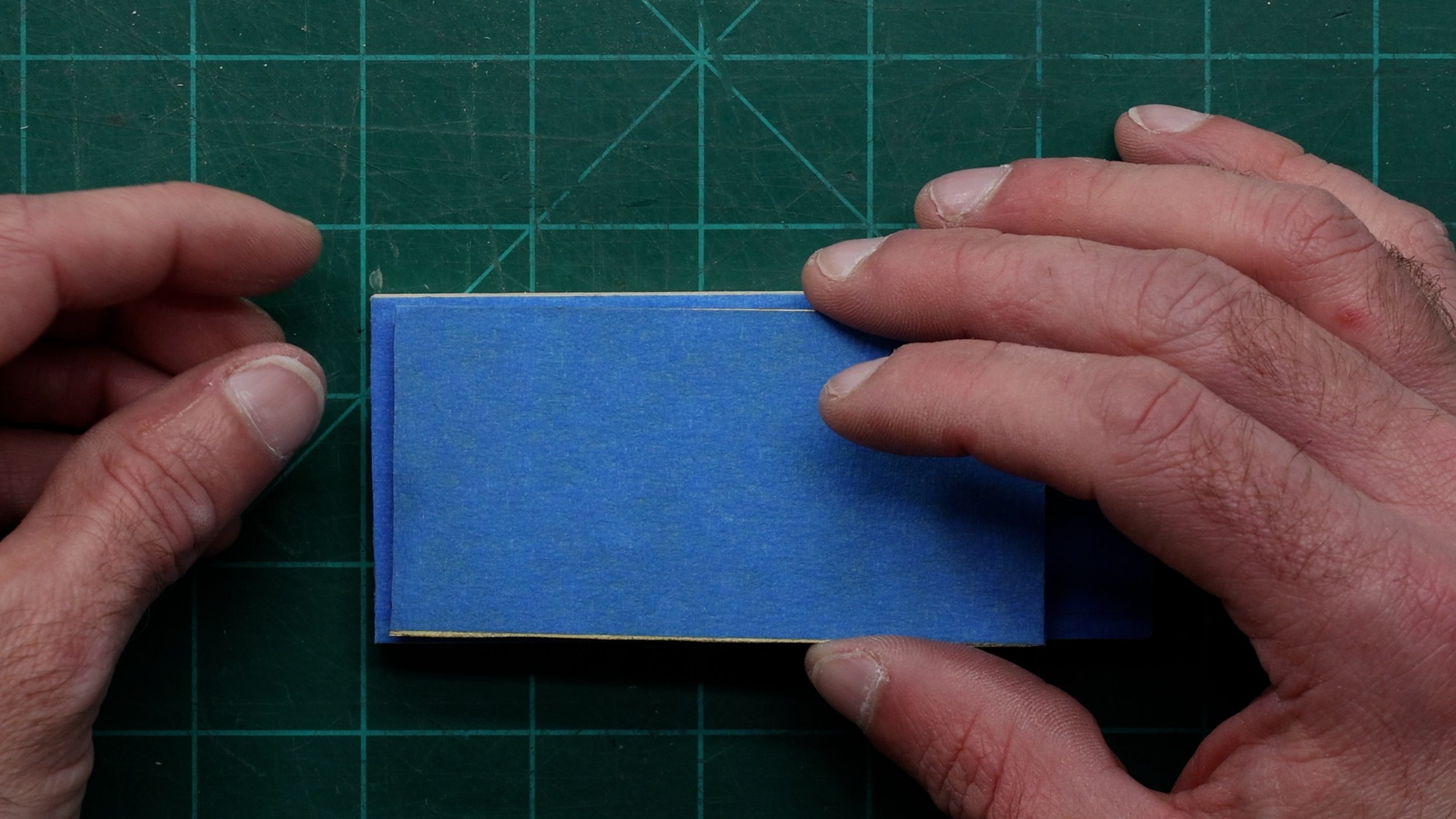
Wrap the workpiece in painter’s tape to provide friction.
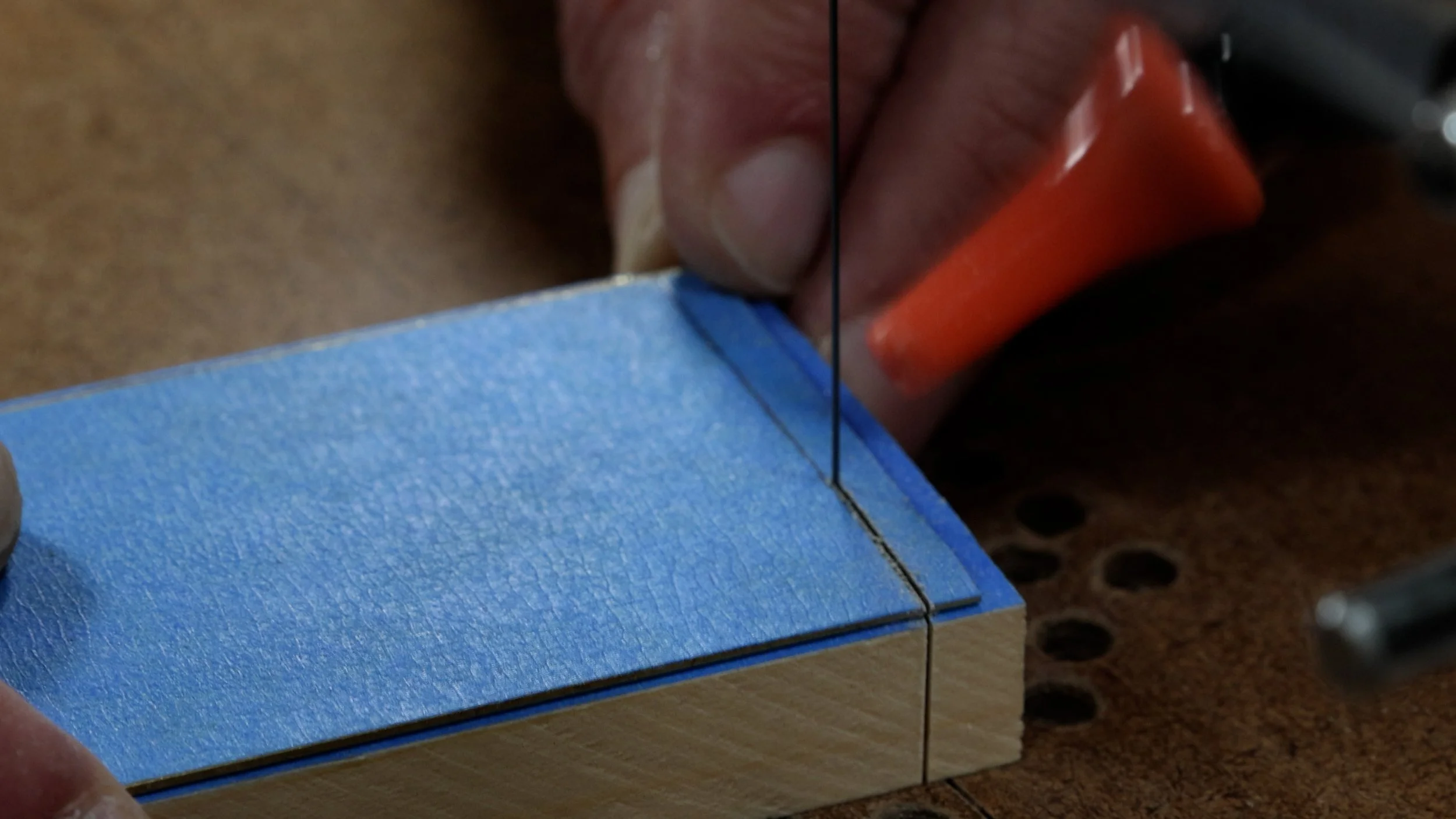
Attach the metal to a sacrificial piece of wood to reduce bouncing.
Put painter’s tape on the top and bottom of the metal. This helps because it creates a small amount of friction between the metal and scroll saw table. The workpiece is less likely to slide around, which can cause it to snag on the teeth of the scroll saw blade.
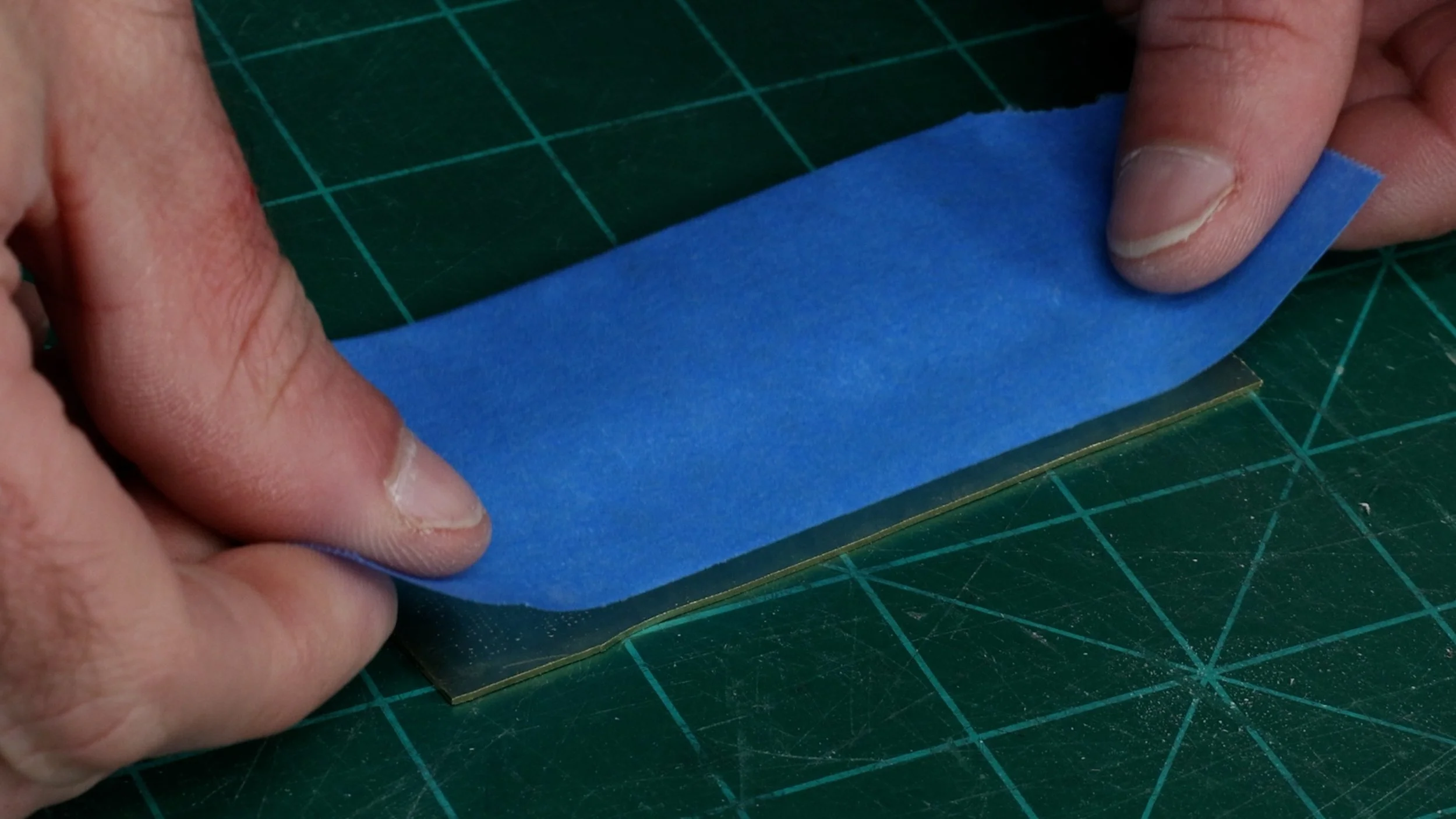
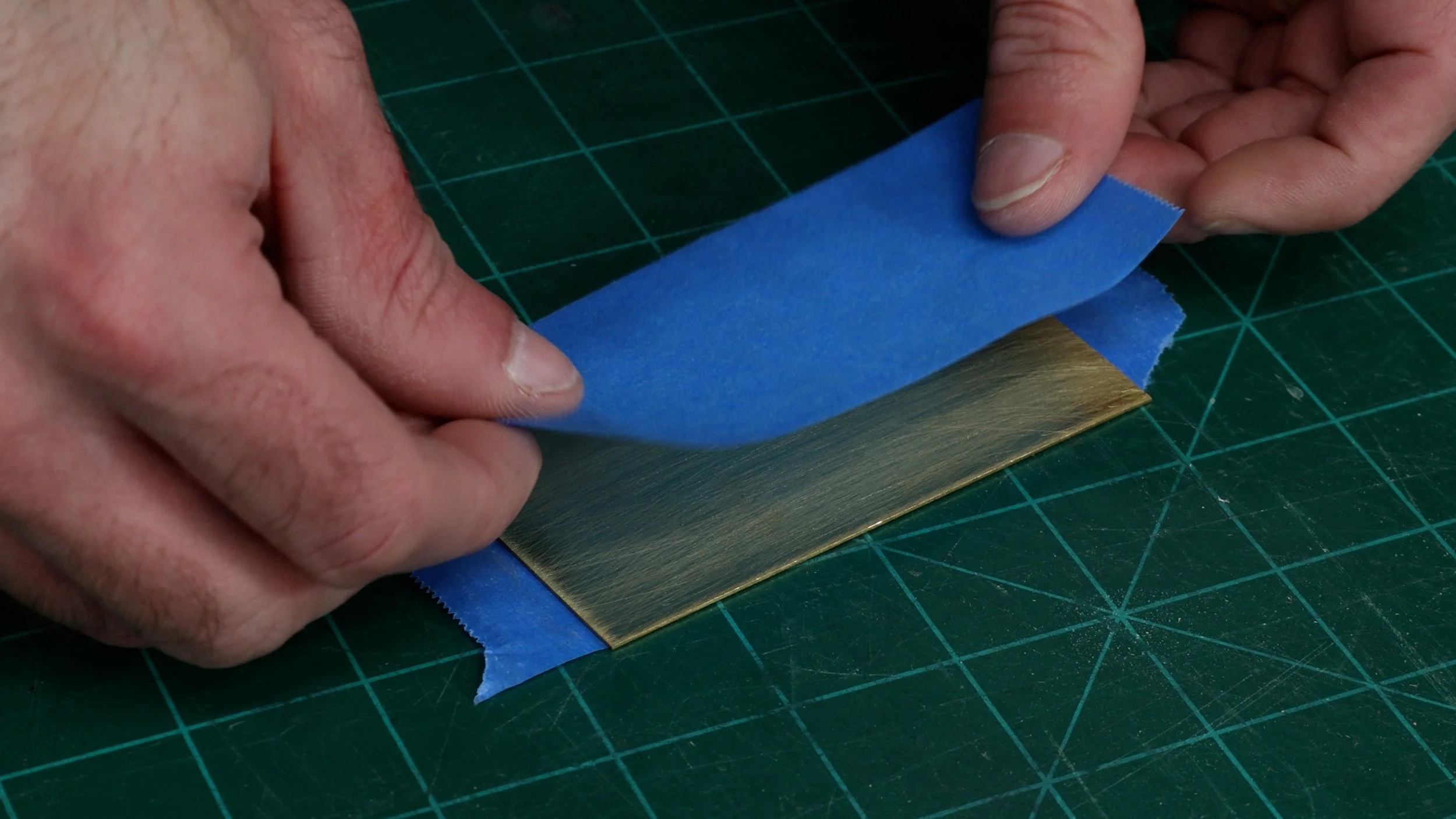
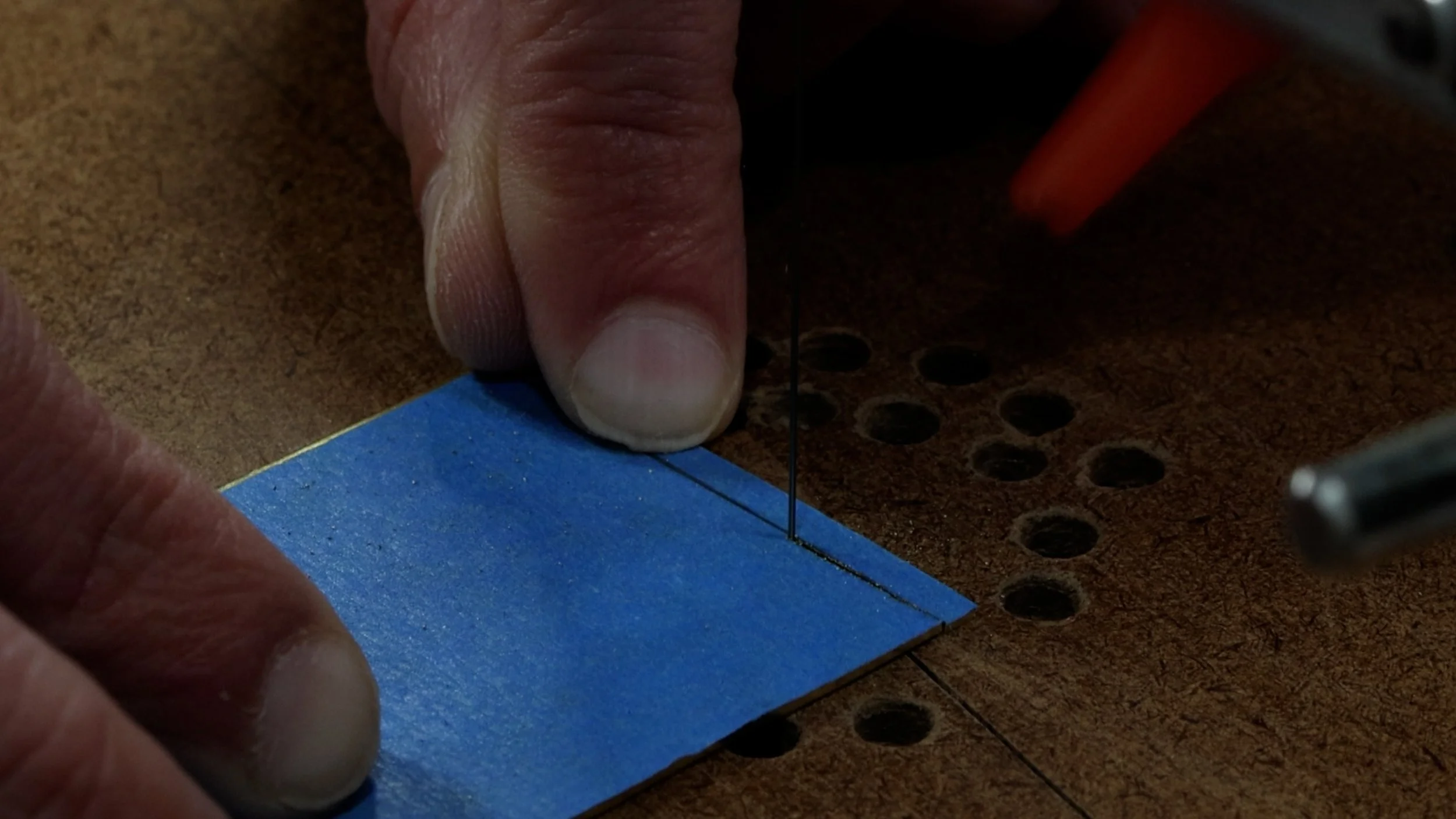
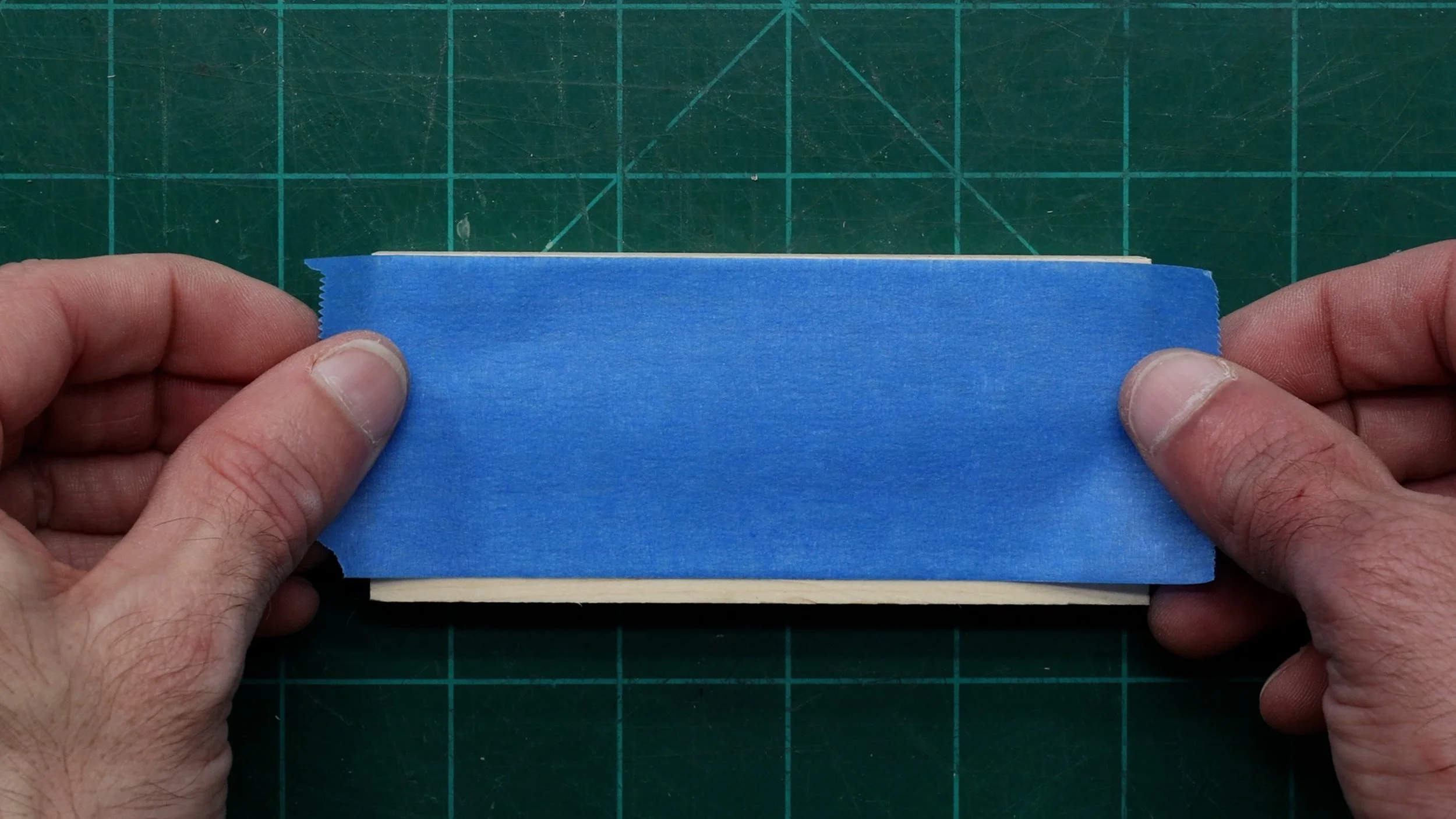
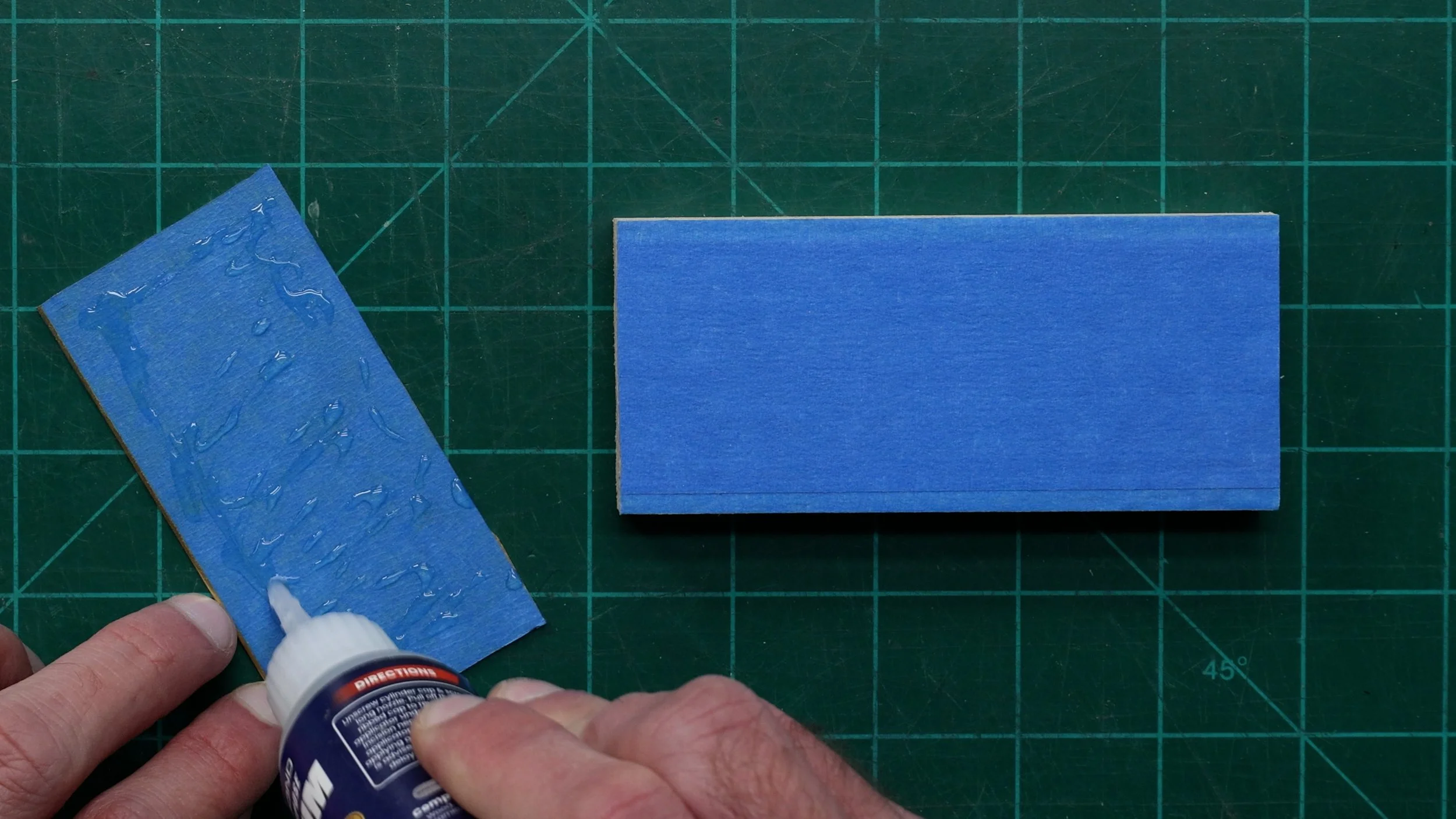
The tape method works, but I prefer to use a sacrificial board. By increasing the thickness of the material, the workpiece is less likely to bounce around. Use double sided tape or CA glue to attach the metal to a piece of wood. The board doesn’t have to be very thick. Any clean, flat board, regardless of thickness, will instantly give you cleaner cuts. I often use CA glue because it ensures the entire piece of metal is secured tightly to the wood. Put painter’s tape on the wood and the metal. Then, glue the two pieces together. Since the glue is on the tape, not the workpieces, they can be easily separated later.
I also like to put painter’s tape on top of the metal. This lets me apply my template or draw cut lines, plus it helps to give a cleaner cut.
Why Use a Scroll Saw to Cut Metal?
As makers, we naturally strive to create fun and creative projects. Sometimes, we may avoid using a medium, such as metal or resin, because we are familiar and comfortable with other materials like wood. When we push ourselves out of the comfort zone, the results can be stunning! For your next project, think about other materials you could potentially use. Don’t be afraid to give them a shot. You might end up falling in love with a whole new method of creating art.